Latest Posts

Inca Starzinsky Jewelry

FD_Circles_bw-sh_cr2_1000

I met Inca Starzinsky during last month’s London Design Festival, where she was displaying a collection of her jewelry and accessories at the Tent London exhibit at the Old Truman Brewery in Shoreditch. A graduate of Central Saint Martins in 2000 and the Royal College of Art in 2007, Starzinsky has worked as a graphic designer, printed textile designer, design director, and artist. Part of the design and editorial team of Graphic magazine from 2002–2006, Starzinsky developed her skills in printed textile design at the Royal College of Art.

I was drawn into Starzinsky’s booth by the vibrant colors of her geometric acrylic pieces. My favorites are the Fade series of necklaces and the Spin series of pendants, brooches, bracelets, and rings made from digitally-printed two-ply acrylic which is laser-cut and finished with silver loops and chain. Each of the variations features bold gradient coloring. The Hackney Clouds and Sunset series of brooches are based on photographs of the sky — they are like little peepholes into the heavens.

I asked a Inca a few questions about her work as a designer…

How did you get involved designing jewelry?

My background is in printing, which is quite a broad field. Most of my projects start with a concept or a process and the outcome/final product is often not predefined. I don’t really see myself as a jewellery designer.

My most recent jewellery was born purely out of coincidence: I was testing various techniques for another project I was working on and was amazed by the color and effect of this particular technique, and I suddenly had a great desire to make jewellery out of it.

Why plastic?

I do love high-end accessories a lot, but this line of jewellery is supposed to be affordable and fun, a bit “pop”, something for people who love color.

I am playing with the idea of a more high-end range, maybe with glass, ceramics, and more precious metals, but in this case plastic suits the end-product very well.

Who or what inspires you in your design work?

My inspiration can come from pretty much anything that surrounds me. Sometimes it can be something completely random that a friend says, or a memory, or I see something in nature. I love taking things apart, analyzing it, taking it back to its origin, and then restarting from the beginning to create something new. Usually all my projects have a strong concept. For the latest jewelery I went for a pure celebration of color and shapes—as simple and straightforward as that.

model-spin-brooch-yell-C_cr-1000

Spin brooch.

modespin-rings-face-1000_2

Spin rings.

SHJ_rings_web

Hand shadow jewelry.

SHJ_pen_croc_elef_web

Hand shadow jewelry.

KS_brooche-cloud_ltbl_web

Hackney Clouds and Sunsets brooch.

FD_Sun_yellow2_cr2_1000

Fade necklace.

FD_Sun_pink_cr2_1000

Fade necklace.

Symmetrick Roof Cargo Box by Nendo

symmetrick04_hiroshi_iwasaki 

The cargo box is one of those underserved product types. You know they are out there, but no one ever gets excited about them. Nendo‘s new symmetrick roof cargo box hopes to move things along a bit. Designed as part of the brand renewal for Terzo, a car carrier brand produced by Piaa, this new box is symmetrical front to back as well as from left to right. This dual symmetry allows the carrier to be loaded with either end at the front, for opening on either the left or right side. The underside of the cargo boxes needed to be textured to take the weight of the cargo, so Nendo used a dot pattern based on the brand logo. When viewed from some angles, the logo reflects onto the car roof “for a subtle added playfulness” according to the designers. It’s not revolutionary, but a clean, streamlined design that is a improvement in the category.

symmetrick05_hiroshi_iwasaki symmetrick09_hiroshi_iwasaki symmetrick17_hiroshi_iwasaki symmetrick16_hiroshi_iwasaki symmetrick14_hiroshi_iwasaki symmetrick10_hiroshi_iwasaki symmetrick07_hiroshi_iwasaki terzo_package_Akihiro Yoshida 

Product photos by Hiroshi Iwasaki. Package photo by Akihiro Yoshida.

Brewbot

201309-BrewBot-050

While I was covering last month’s London Design Festival I met Caroline Santos, one half of the British design studio Mette. At the 100% Design show Caroline was discussing her firm’s design of The Farm Kitchen, an installation that explored micro-agriculture in architecture and interiors. Mette has now been commissioned to design the first working prototype of Brewbot, a smart brewing appliance by development team Cargo, that you can control and monitor with your smartphone. This new approach to home-brewing is intended to take it out of the garage and put it into the home or workplace (thought it must be one incredibly cool office).

We don’t brew beer in my house, but if it was an easier process my British husband might give it a try. By automating water amounts, temperature, and brewing time via a mobile app, Brewbot hopes to make home brewing easier than before.

Belfast-based Cargo, a group of mobile app developers who are also craft beer enthusiasts, created the technology behind the Brewbot system and brought in Mette to create a physical prototype. To symbolize the old craft of brewing beer with the new app-enabled technology, the team selected reclaimed wood and stainless steel surfaces. The Brewbot is being tested in Portland, Oregon and when it returns to the UK the team will refine the prototype. So far, Brewbot has raised 83% of its £100,000 target on kickstarter. To learn more or donate to the cause, click here.

201309-BrewBot-040

201309-BrewBot-002

201309-BrewBot-042

201309-BrewBot-043

201309-BrewBot-047

All images by Simon Mills.

London Cube Co

LondonCubeCo-Press-01

I spotted these whimsical wooden cubes from London Cube Co at the 100% Design show in London last month. Claretta Pierantozzi established her design shop in 2013 after graduating from the Architectural Association and having worked for top architecture firms including Foster+Partners, Heatherwick studio, and David Chipperfield architects. Handcrafted in Shoreditch, these oversized versions of the alphabet block can be used as stools, side tables, shelves, or design objects.  In addition to letters, the cubes can feature illustrations from children’s books or entomological plates. The custom cubes are made to order from techniques including silk screening, letterpressing, laser cutting, and CNC milling, along with hand-crafted labor. The cubes feature frames, fretwork, and plates in birch plywood, white oak, or black walnut and come in two sizes, 17.3”-square or 8.7”-square. Though decorative, these pieces aren’t flimsy. Depending on the size and style, they can weigh from 4 to 30 pounds. This type of quality doesn’t come cheap however, and prices start at £340.

LondonCubeCo-Press-08

LondonCubeCo-Press-14

LondonCubeCo-Press-07

LondonCubeCo-Press-02

Studio Visit: Black + Blum

IMG_0400

Martin Blum in front of the Black + Blum studio and shop in the OXO Tower in London. Portrait taken August 16th, 2013. © Rita Catinella Orrell

It was a bit ironic that my first visit to the London studio of Black + Blum was during the summer edition of the New York International Gift Fair. It was during that show several years ago where I first encountered the company’s quirky, functional gadgets. During a trip to London in August, I sat down with Martin Blum at the Black + Blum studio/shop located in the OXO Tower on the south bank of the Thames. Blum was holding down the fort at home while his business partner Dan Black introduced new products at the Javits Center in New York.

Blum and Black first met when they were design students at Newcastle University. After working well together on a few group projects, “we realized that we had something going,” says Blum. “It’s quite rare to find someone you can work well with.”  A few years after school the two got together and started a firm in 1998. After operating as a design consultancy for two years, they had a literal “lightbulb” moment after designing a light fixture for a client. “The lights were not manufactured, and it was a missed opportunity” he says. “So we did it ourselves.”

When the team launched the lights at London’s 100% Design show in 2000, everything changed. “We needed a reality check and it worked very well. We got 40 or 50 press write-ups and we supplied 30 or 35 prestigious retailers.  We took a position that we preferred doing that and restructured our business.”

Over the course of a year the two learned the ropes of distribution. “We felt the only way we could make a living was to do it ourselves, and that’s when we hired our first person in 2001.” They moved to the OXO Tower in London and set up in a warehouse in Cambridge. The studio now has 11 employees and their designs can be found in design and museum shops around the world. Which product has been the bestseller? Blum cites the lunchbox, which has sold 60,000 units a year since 2010.

New products this year include a lunchbox with a bamboo lid, the cork-lidded  “Leaning Tower of Pasta” container, and new versions of the classic lunchbox and Eau Water bottle designs. Does Blum feel that London is the design capital of the world? “I would say so,” he replies, “but that’s very subjective.”

Scroll down to see Blum’s favorite spots to hang out in London…

IMG_0378

The studio also has a retail component, which is a requirement in the OXO Tower.         © Rita Catinella Orrell

IMG_0395

An update of Black+Blum’s bestselling lunch box. © Rita Catinella Orrell

IMG_0391

The updated version of the Eau Water bottle will feature a colorful silicone base for the stoppers. © Rita Catinella Orrell

IMG_0397

An update of Black + Blum’s bestselling lunch box. © Rita Catinella Orrell

IMG_0394

The Leaning Tower of Pasta is made of ceramic and will feature cut-outs in the cork stopper to indicate portion size. © Rita Catinella Orrell

IMG_0392

The company’s new bamboo-covered lunchbox is now in production.                                © Rita Catinella Orrell

IMG_0387

Martin Blum points out the plastic seal for the bamboo lunchbox. © Rita Catinella Orrell

IMG_0384

The Dinner Loop candlestick holders in a new copper finish. © Rita Catinella Orrell

IMG_0376

The incredibly soft iPad/book/laptop stand, which was launched at the gift show earlier this year. © Rita Catinella Orrell

IMG_0374

The On a Roll tape dispenser strips the product down to the bare minimum.                   © Rita Catinella Orrell


Designer Martin Blum’s favorite spots in London:

1. Redchurch Street in Shoreditch, East London. “Cool shops, restaurants, and boutiques of all kinds. It’s quite a cool little street. While there he suggests a visit to the Boundary Restaurant

2. “For a great view, go upstairs in the Waterstone’s bookstore on Piccadily”. 5th View and Bar and Food

3. Trafalgar Square Hilton , “Nice views on the terrace.”


Saving the Hamilton Wood Type & Printing Museum

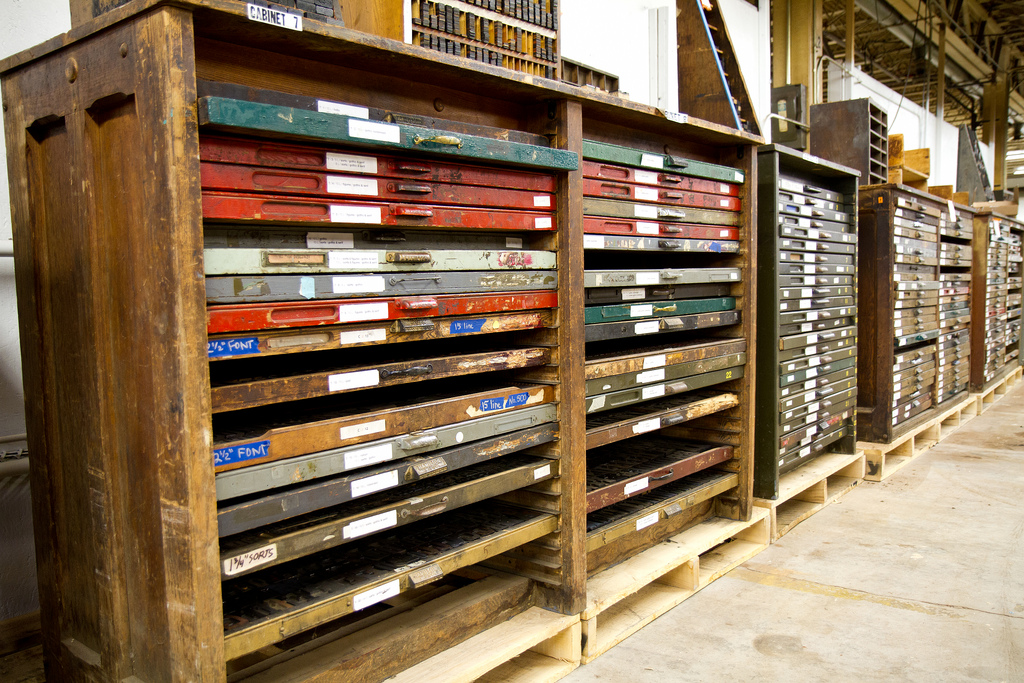
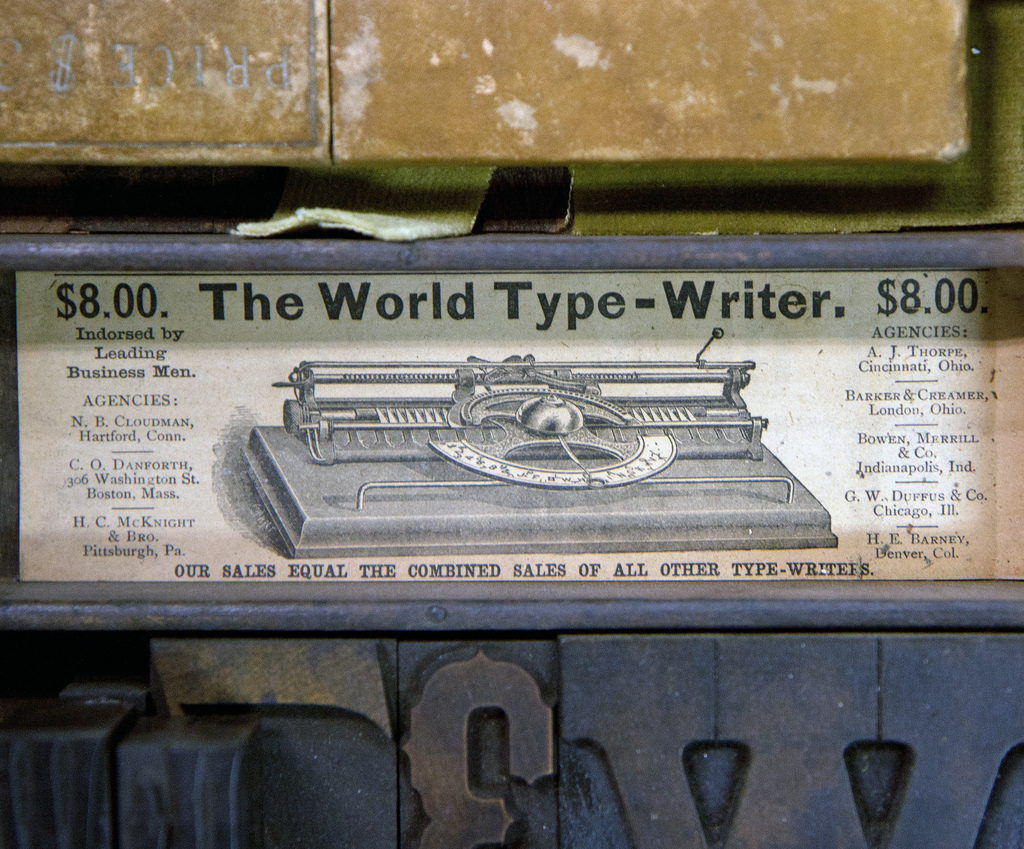
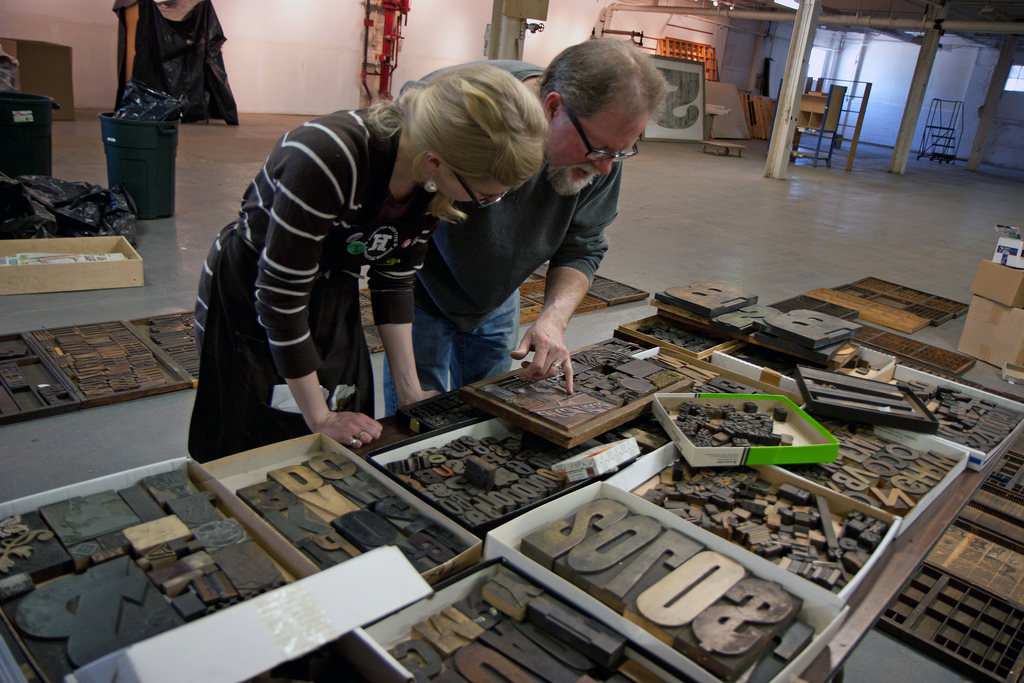
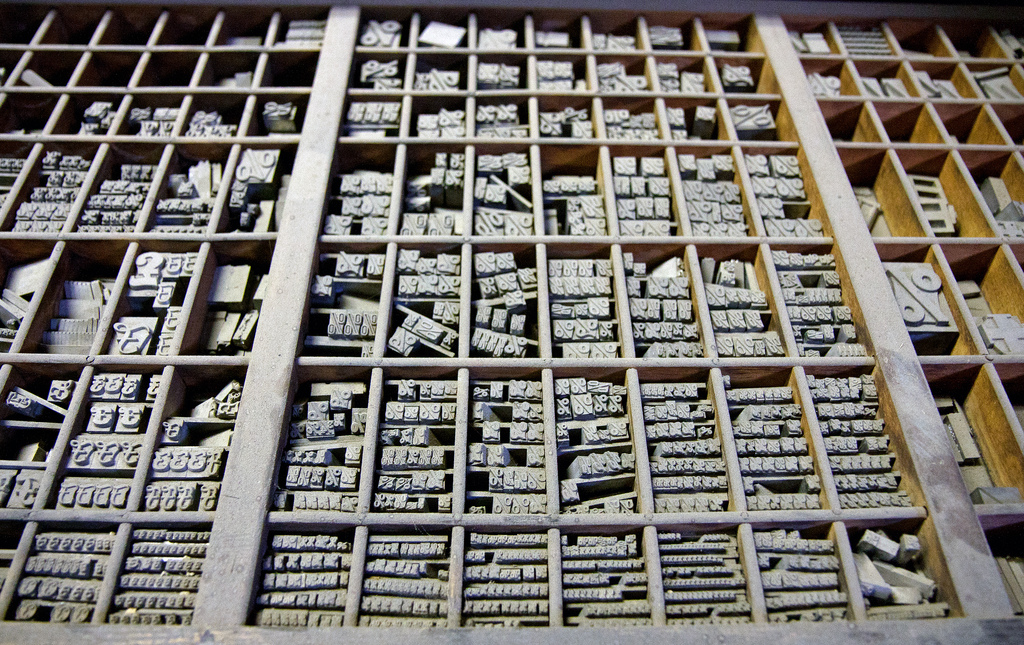
Part of the exhibit in the Hamilton Wood Type Museum in Two Rivers, Wisconsin.  © cowofchange

Jim Moran got some bad news last October while he was preparing for the Hamilton Wood Type & Printing Museum’s annual conference in Two Rivers, Wisconsin. Moran, who is director of the world’s only museum dedicated to the preservation, study, production, and printing of wood type, was told by his landlord that the museum had six months to find a new home.

The news wasn’t entirely a shock. Moran and his small team had noticed that the building owner, lab equipment manufacturer Thermo Fisher Scientific, had begun downsizing the employees that shared the massive building, which was rapidly deteriorating. The museum, which was founded in 1999, took up 12,000-square-feet (with an additional 25,000 for storage) of the three-block long, 1.3 million-square-foot facility that the Hamilton Manufacturing Company had built, and added to, from 1910 to 1926. The manufacturer had donated free rent, lighting, and heat to the museum, but they were now closing their Two Rivers plant and moving production elsewhere. (MORE AFTER PHOTOS)

Part of the exhibit in the Hamilton Wood Type Museum in Two Rivers, Wisconsin.  © Lester Public Library

Part of the exhibit in the Hamilton Wood Type Museum in Two Rivers, Wisconsin. © Lester Public Library
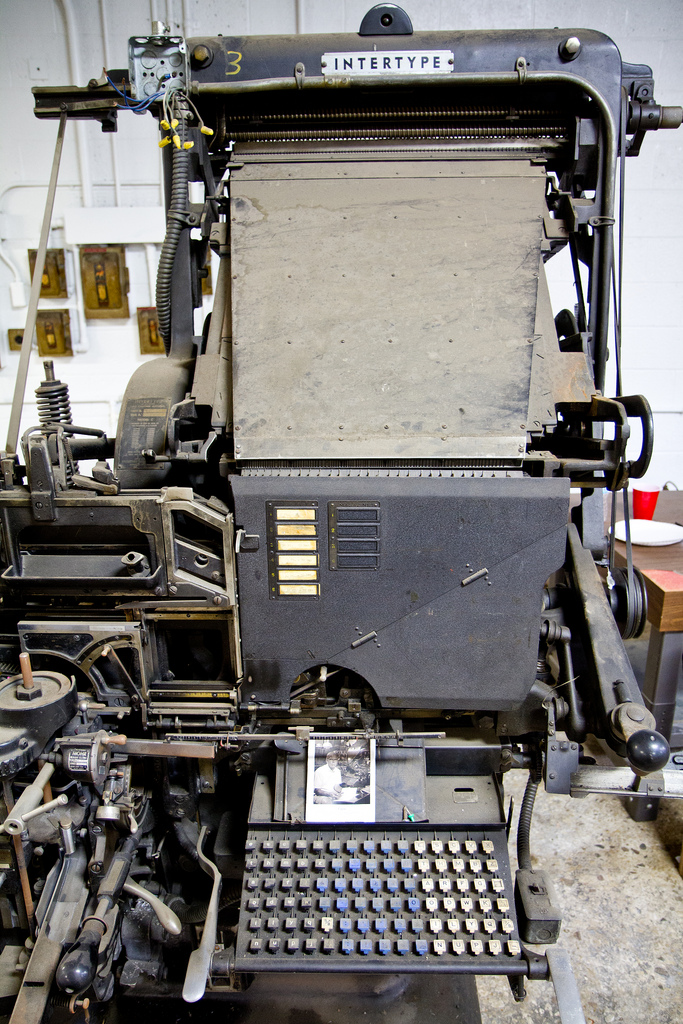
Part of the exhibit in the Hamilton Wood Type Museum in Two Rivers, Wisconsin.  © Lester Public Library

Part of the exhibit in the Hamilton Wood Type Museum in Two Rivers, Wisconsin. © Lester Public Library

Part of the exhibit in the Hamilton Wood Type Museum in Two Rivers, Wisconsin.  © Lester Public Library

Part of the exhibit in the Hamilton Wood Type Museum in Two Rivers, Wisconsin. © Lester Public Library

Part of the exhibit in the Hamilton Wood Type Museum in Two Rivers, Wisconsin.  © Lester Public Library

Part of the exhibit in the Hamilton Wood Type Museum in Two Rivers, Wisconsin. © Lester Public Library
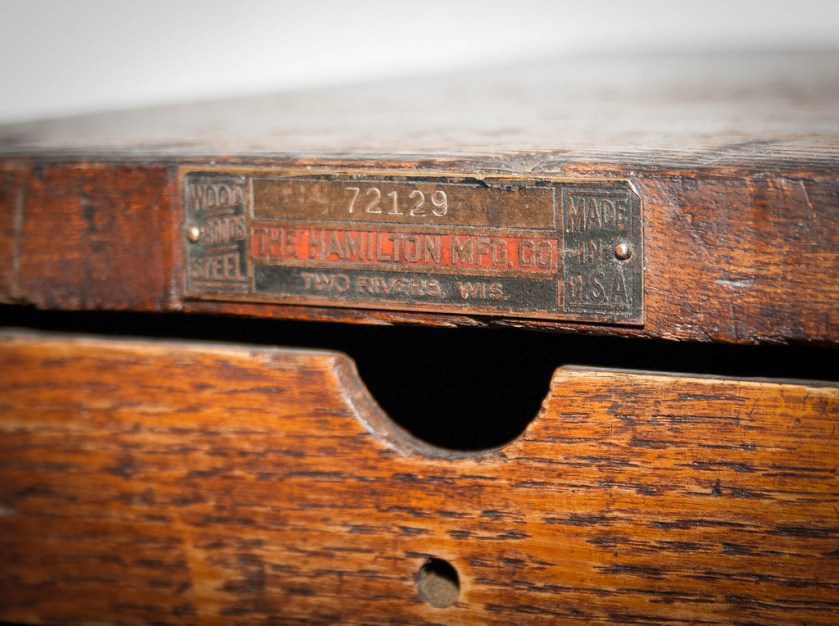
Part of the exhibit in the Hamilton Wood Type Museum in Two Rivers, Wisconsin.  © Sketchbook B
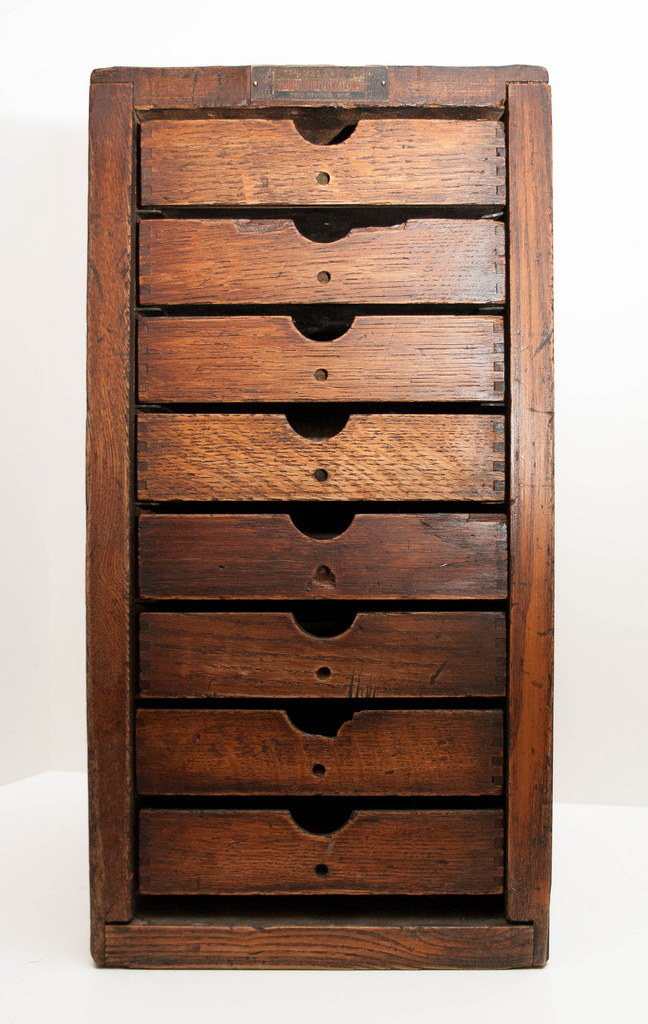
Part of the exhibit in the Hamilton Wood Type Museum in Two Rivers, Wisconsin. © Sketchbook B

Part of the exhibit in the Hamilton Wood Type Museum in Two Rivers, Wisconsin.  © Sketchbook B

Part of the exhibit in the Hamilton Wood Type Museum in Two Rivers, Wisconsin. © Sketchbook B

Part of the exhibit in the Hamilton Wood Type Museum in Two Rivers, Wisconsin.  © cowofchange

Part of the exhibit in the Hamilton Wood Type Museum in Two Rivers, Wisconsin. © cowofchange

Part of the exhibit in the Hamilton Wood Type Museum in Two Rivers, Wisconsin.  © cowofchange

Part of the exhibit in the Hamilton Wood Type Museum in Two Rivers, Wisconsin. © cowofchange
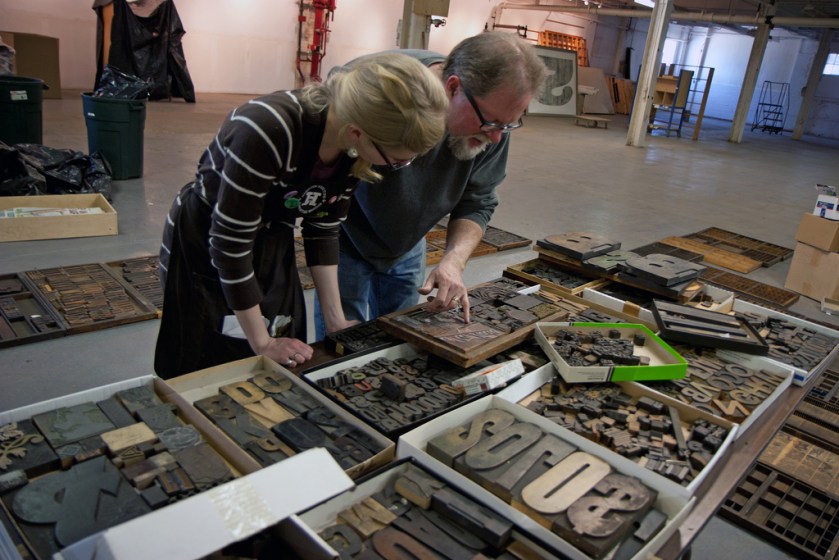
Part of the exhibit in the Hamilton Wood Type Museum in Two Rivers, Wisconsin.  © cowofchange

Part of the exhibit in the Hamilton Wood Type Museum in Two Rivers, Wisconsin. © cowofchange

Part of the exhibit in the Hamilton Wood Type Museum in Two Rivers, Wisconsin.  © cowofchange

Part of the exhibit in the Hamilton Wood Type Museum in Two Rivers, Wisconsin. © cowofchange

Part of the exhibit in the Hamilton Wood Type Museum in Two Rivers, Wisconsin.  © Lester Public Library

Part of the exhibit in the Hamilton Wood Type Museum in Two Rivers, Wisconsin. © Lester Public Library

Inside the relocated Hamilton Wood Type Museum in Two Rivers, Wisconsin.   © Lester Public Library

Inside the relocated Hamilton Wood Type Museum in Two Rivers, Wisconsin. © Lester Public Library

The exterior of the relocated Hamilton Wood Type Museum in Two Rivers, Wisconsin.  © Lester Public Library

The exterior of the relocated Hamilton Wood Type Museum in Two Rivers, Wisconsin. © Lester Public Library

The site of the original Hamilton Wood Type Museum in Two Rivers, Wisconsin.  © Lester Public Library

The site of the original Hamilton Wood Type Museum in Two Rivers, Wisconsin. © Lester Public Library
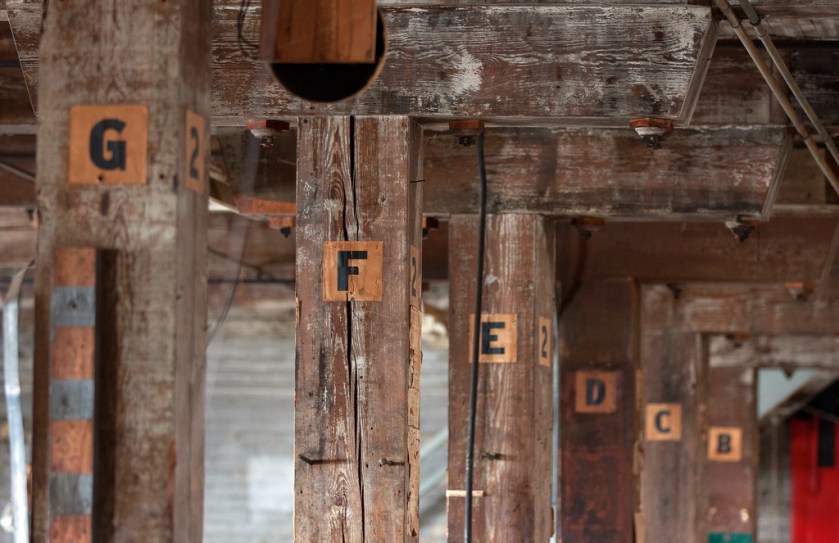
The site of the original Hamilton Wood Type Museum in Two Rivers, Wisconsin.  © Lester Public Library

The site of the original Hamilton Wood Type Museum in Two Rivers, Wisconsin. © Lester Public Library

The site of the original Hamilton Wood Type Museum in Two Rivers, Wisconsin.  © Lester Public Library

The site of the original Hamilton Wood Type Museum in Two Rivers, Wisconsin. © Lester Public Library
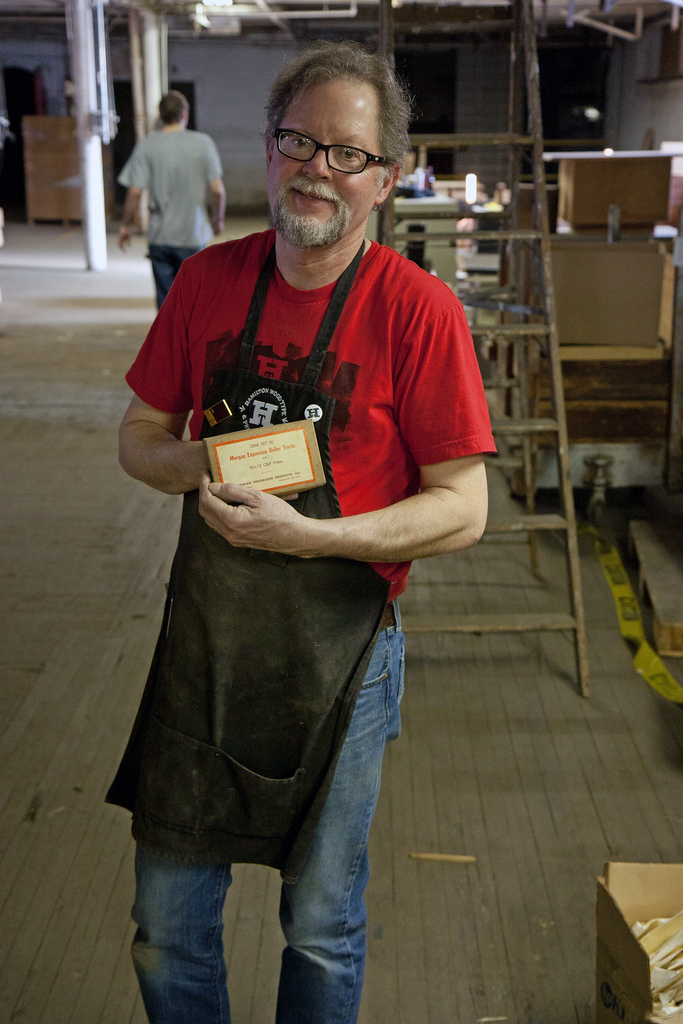
Jim Moran, Museum Director, Hamilton Wood Type Museum in Two Rivers, Wisconsin.  © Lester Public Library

Jim Moran, Museum Director, Hamilton Wood Type Museum in Two Rivers, Wisconsin. © Lester Public Library
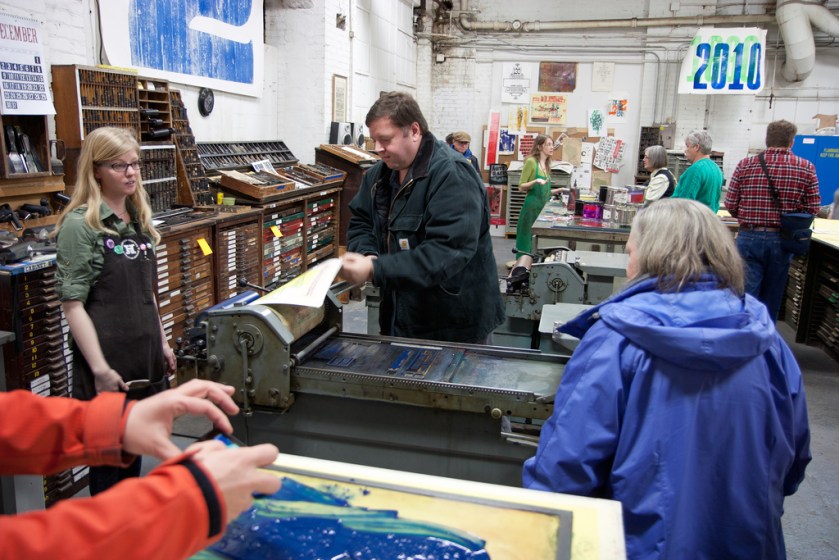
2

The site of the original Hamilton Wood Type Museum in Two Rivers, Wisconsin.  © Lester Public Library

The site of the original Hamilton Wood Type Museum in Two Rivers, Wisconsin. © Lester Public Library

Moran had to quickly raise the estimated $250,000 needed to pack up and move the world’s largest collection of type, as well as cover the lost income of closing the museum and salaries for the staff. “That really left it to the three of us to devise a way we could raise the money,” says Moran. “Of course, nobody knew if we could do it.”

Through generous donations from companies and individuals, the museum raised the funds it needed to move. It was as late as mid-March when Moran found the museum’s new home: a 85,000 square-foot Mid-Century factory building with a view of Lake Michigan owned by the Formrite Tube Company. While the new building is just 10 blocks from the original site, the logistics of moving the collection, ranging from small bits of type to equipment weighing over a ton, was challenging to say the least. “I had estimated we needed 17 semi loads of equipment, but we moved 26,” says Moran.

The museum enlisted the help of volunteers to help pack up and unpack, but much of the actually loading fell to the staff since they needed to work around the availability of the donated trucks. While Moran’s staff used a labeling and numbering system for every single piece, there was still some disorganization in the unloading process. “You might pack things up, but you don’t remember everything you put in that box,” he says.  Despite a broken display case and a little cracking on the wood block bases of some of the equipment pieces, the entire collection was safely relocated by the first week of May.

The move was bittersweet for Moran, who would have preferred to still be in the original factory for historic reasons, but knew it wasn’t the best choice for the museum. “The collection was being compromised in that building,” he says. “A great thing about this building, is that it does not leak.” The fate of the original Hamilton factory is uncertain. “We fear that it is going to be demolished,” says Moran. “We wish it could be saved, but we think there is a really good chance that some of it, if not all of it, will come down.”

While the museum’s current expenses make hiring an architect prohibitive, they hope they might find someone willing to donate consulting time to help them with the new space. Moran plans to reopen the museum by October in time for their annual conference that draws attendees from around the world. “We are feeling good about it,” he says. “We have customers already lined up.”

To learn more about the Hamilton Wood Type & Printing Museum or to make a donation visit http://woodtype.org. The museum’s annual Wayzoose conference will take place November 8th through November 10th in the new building, located at 1816 10th Street, Two Rivers, Wisconsin, 54241. — Rita Catinella Orrell

This article by Rita Catinella Orrell first appeared on Architects + Artisans.